Divorce in Thailand or divorce in general is very difficult, and the financial and emotional costs can be devastating. One of the best predictors of a better divorce outcome is the couple’s knowledge and understanding of their options. Many people do not fully educate themselves prior to the proceedings; either because they don’t want the divorce, they are hurt and overwhelmed, or that they believe that they understand what is expected. The result is that they often make decisions without fully understanding the consequences, including the potential damage that those decisions will have on their lives and the lives of their children.
Divorce
Children
UPDATE:
Promulgation of the Civil and Commercial Code (16) B.E. 2550 (A.D.2007) - The Civil and Commercial Code has undergone revision related to grounds for divorce, granting equal treatment under law for both men and women. The National Legislative Assembly promulgated the new law on 30 August 2550.
Section 1516 (1): A husband or wife that provides maintenance or honors another person as a spouse in an adulterous relationship, or has committed fornication with the person as a practice, may be subject to divorce proceedings on the part of the other spouse.
Finances
Annulement
Under the Thai Civil and Commercial Code, divorce is permitted in two categories:
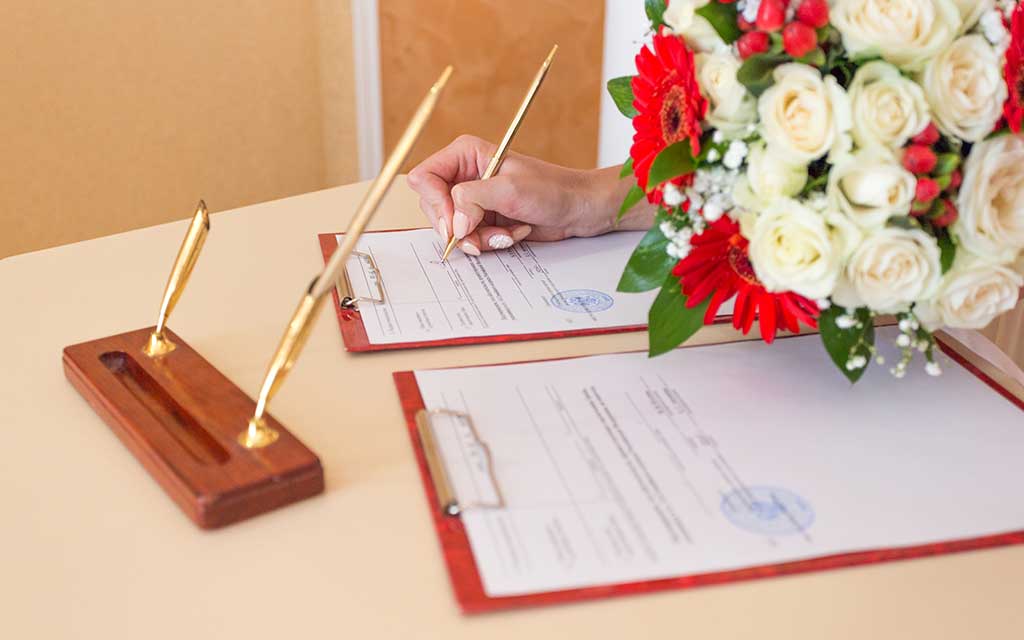
By Mutual Consent: If you were married in Thailand at a local Registrar office (Khet or Amphoe), you may register an administrative divorce. Divorce by mutual consent must be made in writing and witnessed by at least two persons. You will need to show your marriage certificate, passport and the national I.D. card of the Thai citizen. The process can be completed in only one day at the local Register Office. This type of divorce is possible only if the couple has no disagreements over such issues as children or property (“uncontentested”.) A divorce certificate will be issued by the registrar Office.
By Court Judgment: If the divorce is contested, one party is not present; you should proceed to the courts for a divorce “for cause”. Either the plaintiff or defendant (or both) must be a resident of Thailand. There are 12 grounds for divorce under Thai law. We strongly suggest that you consult a legal professional in these matters. If you are overseas, you may appoint a lawyer to initiate the procedure on your behalf. However, once a court date is set, you must appear in court in Thailand. Any documents not in Thai will need to be translated and notarized by your embassy in Bangkok. This process can take up to one year. Divorce certificates are usually obtained from the court where the divorce was granted.